Guide
Heat Pump Performance in Chicago Winters: What Homeowners Should Know
Field write-up by Alex R., Senior Technician
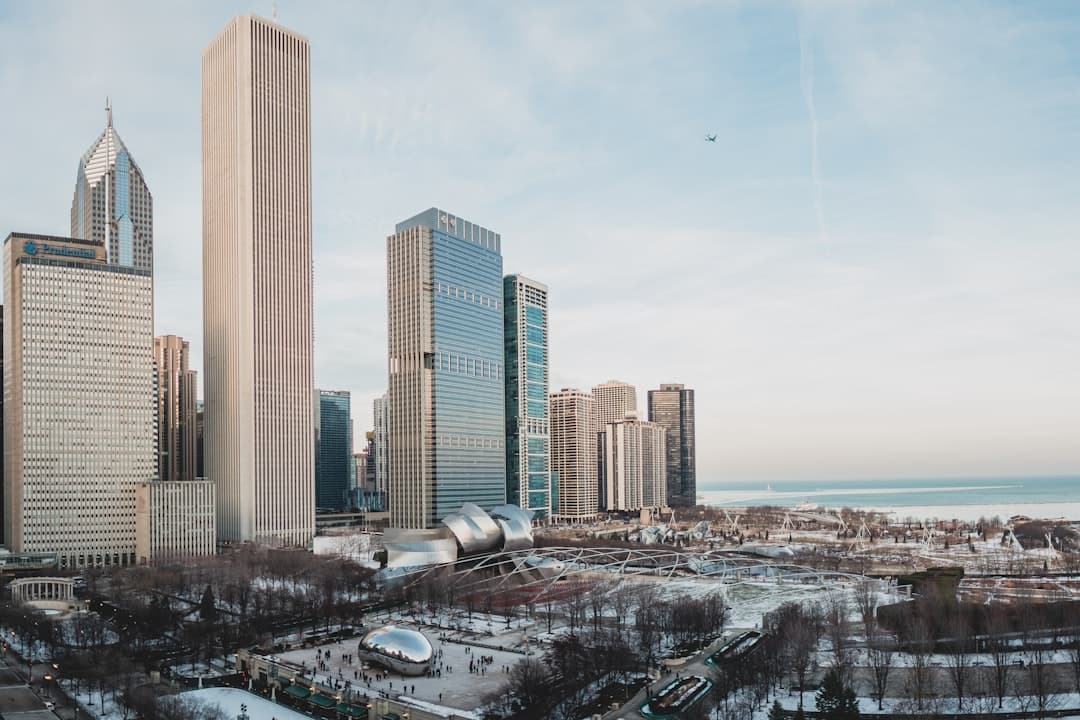
Modern heat pumps equipped with hyper-heat inverter compressors deliver reliable heating down to -13°F and below, making them viable as primary heating sources for Chicago winters when properly sized and installed. Chicago Luxury Appliance & HVAC installs heat pump systems from Mitsubishi Electric, Carrier, Trane, Daikin, and LG that are engineered specifically for sub-zero performance, and proper load calculation and electrical panel capacity review are the two critical planning factors that determine whether a heat pump will meet winter heating demand without backup resistance heat.
1. Hyper-Heat vs. Standard Heat Pumps: Why the Compressor Matters
Not all heat pumps are built for Chicago's coldest weeks. Standard heat pump compressors lose efficiency rapidly below 35°F and may require electric resistance backup heat once outdoor temperatures drop into the teens. Hyper-heat or cold-climate heat pumps use inverter-driven variable-speed compressors that maintain heating capacity down to -13°F or lower, which means they can handle the coldest nights Chicago typically sees without switching to expensive backup heat.
Mitsubishi Electric's hyper-heat compressors are rated for sub-zero performance and are among the most proven systems in the Chicago market — proper sizing to the specific room's heat loss matters more than with standard central systems, because an undersized hyper-heat unit will still outperform a correctly sized standard heat pump on the coldest days. Daikin and LG inverter-driven compressors modulate output rather than cycling on and off, which is efficient but means a refrigerant charge that's even slightly off shows up as reduced comfort rather than a hard failure, so precise charging during installation is critical.
2. Load Calculation and Panel Capacity: The Two Planning Gates
Heat pump sizing starts with a Manual J load calculation that accounts for insulation, windows, air sealing, and Chicago's 99% winter design temperature of approximately -3°F. Oversizing a heat pump to "make sure it keeps up" actually reduces efficiency and comfort, because the variable-speed compressor performs best when it runs continuously at a modulated output rather than cycling on and off at maximum capacity.
The second planning gate is electrical panel capacity. A whole-home heat pump system typically requires a 40- to 60-amp dedicated circuit, and homes built before 1990 — common across Lincoln Park, Lake View, and the North Shore suburbs — often have 100- or 150-amp main panels that are already near capacity. A panel upgrade or load-management system may be required before a heat pump can be installed safely, and that cost should be included in the project estimate upfront rather than discovered after equipment is already ordered.
3. Backup Heat: When It's Required and When It's Optional
A properly sized hyper-heat system rarely needs backup heat during a typical Chicago winter, but most municipalities and mechanical codes still require a secondary heat source as a safety failsafe. That backup can be electric resistance strips integrated into the air handler, or it can be the existing gas furnace left in place as a dual-fuel system. Dual-fuel configurations allow the heat pump to handle the majority of the heating season and automatically switch to the gas furnace only during the coldest nights or if the heat pump develops a fault.
Electric resistance backup heat is simple and low-maintenance but expensive to run if it activates frequently. If the heat pump is correctly sized and the home's heat loss is accurately calculated, resistance backup should activate fewer than a dozen times per winter. If it's running daily, the system was either undersized or the refrigerant charge is off, and a follow-up diagnostic should be scheduled before assuming the equipment isn't capable of handling Chicago winters.
4. Defrost Cycles and Snow Accumulation: Normal Operation, Not a Failure
Heat pumps operating in heating mode pull heat from the outdoor air, which means the outdoor coil operates below freezing and frost accumulation is normal. The system automatically enters a defrost cycle every 30 to 90 minutes when frost builds up, reversing refrigerant flow briefly to melt the ice. During defrost, the outdoor fan stops and you may see steam rising from the unit — this is expected behavior, not a sign of a problem.
Snow accumulation around the outdoor unit can block airflow and reduce heating capacity, so the unit should be mounted on a raised platform or wall bracket at least 12 inches above expected snow depth, and homeowners should clear heavy snow away from the unit after major storms. Outdoor units installed at ground level in areas with poor drainage may also develop ice dams from defrost runoff, which can restrict airflow and trigger safety shutdowns until the ice is cleared.
5. Noise, Placement, and HOA Considerations in Chicago's Dense Neighborhoods
Heat pumps run more frequently than traditional air conditioners because they modulate output rather than cycling on and off, which means outdoor unit placement and sound attenuation matter more than with cooling-only systems. Premium brands like Carrier, Trane, and Mitsubishi Electric offer variable-speed compressors that operate at lower sound levels during partial-load conditions, but placement near property lines, bedroom windows, or shared courtyards should still be evaluated for noise impact.
In Lincoln Park, Old Town, and Lake View, narrow side-yards and tight lot spacing mean outdoor units are often visible from neighboring properties, and HOA or historic district rules may restrict placement or require screening. Gold Coast and Streeterville high-rise condos may have building management approval requirements for outdoor equipment and shared mechanical room constraints that affect heat pump feasibility. Outdoor unit placement should be confirmed with the HOA or building management before ordering equipment, because relocating a unit after installation is expensive and disruptive.
When membership pays for itself
Heat pump systems require seasonal filter changes, annual refrigerant and electrical checks, and defrost-cycle diagnostics that most homeowners aren't equipped to perform themselves. Chicago Luxury Appliance & HVAC's membership program includes two HVAC tune-ups per year, priority emergency response during the coldest weeks, and discounted repair rates if a component fails — all of which typically pay for themselves after the first winter of heat pump operation.